Selected work

Projects

Selected work in interpretable machine learning, urban mobility, and applied AI.

Turning Natural Language into Validated 3D-Printable Geometry

Prompt2Print: A Guardrailed AI Workflow for Typography-to-STL Generation

Prompt2Print turns short text prompts into typography-based 3D designs through a guardrailed AI workflow. An LLM proposes schema-constrained design parameters, while deterministic validation and OpenSCAD construct, evaluate, and repair the resulting geometry before STL output.

PythonFastAPILLM AgentsStructured OutputsAI GuardrailsOpenSCADReactTypeScript
Explore the Project
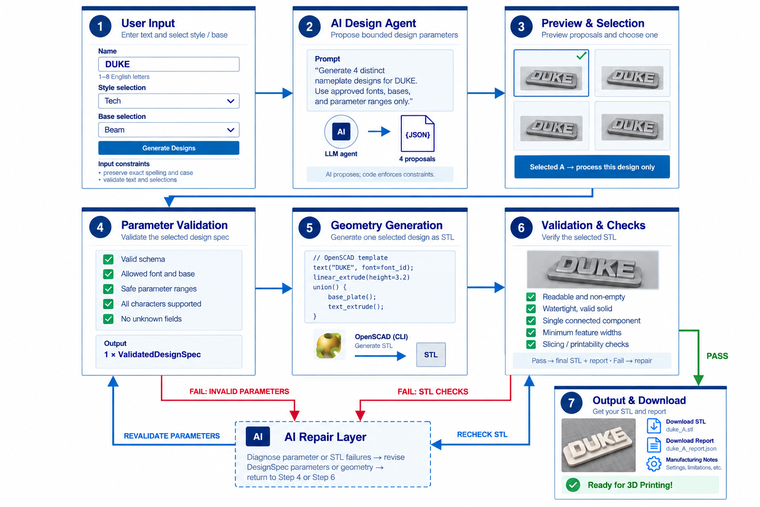
Prompt2Print workflow from user input and bounded AI design proposals through deterministic validation, geometry generation, repair, and STL output

Which Negative Reviews Signal Disengagement Risk?

Not All Steam Negative Reviews Are Equal

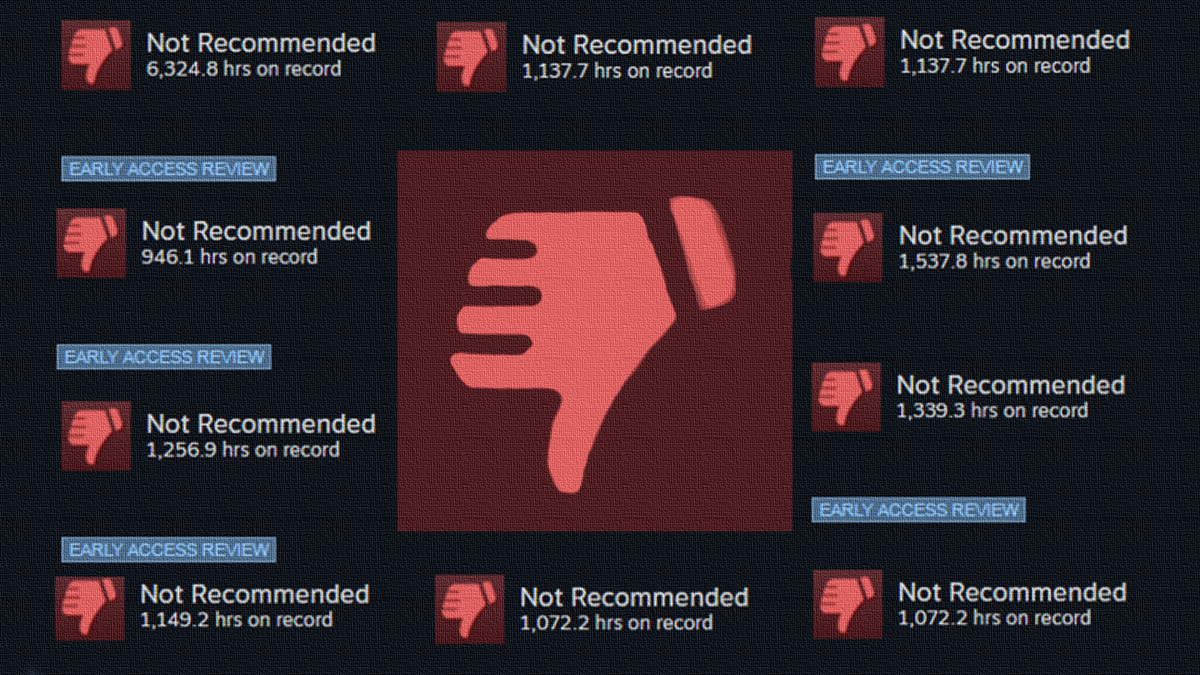
Using millions of negative Steam reviews, we combined structured player behavior with NLP-derived complaint factors to predict observed post-review engagement and translate the results into four actionable player segments. LightGBM with structured and NLP features achieved 0.824 ROC-AUC on the 2023 test set; the top predicted-engagement decile reached 88.7% observed engagement, a 2.38× lift.

PythonLightGBMNLPLLM-Assisted LabelingMultilingual ClassificationModel Calibration
Explore the Project
Collage of Steam Not Recommended reviews with high recorded playtimes and red thumbs-down icons

How predictable is New York City in motion?

NYC Taxi Mobility Intelligence

Predict NYC Yellow Taxi trip duration and pre-tip cost before the ride begins — using only pickup, destination, and departure time. Unlike models that rely on information only known after a trip is completed, this system uses only pre-trip features available at prediction time. The final XGBoost models were trained on 10.9M trips and deployed as an interactive prediction tool.

PythonXGBoostFastAPIGeoPandasDockerGoogle Cloud Run
Explore the Project
New York City yellow taxi representing the mobility intelligence project

Can an insurance pricing model improve predictive accuracy without becoming a black box?

Interpretable Multi-Task Insurance Pricing

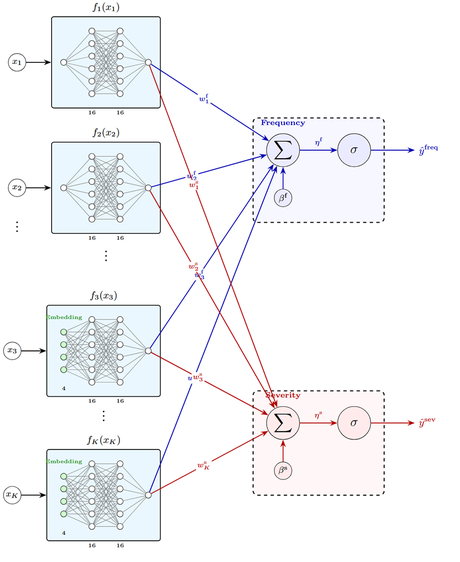
Actuaries would face a trade-off when making insurance pricing: traditional models(GLMs) are transparent without capturing complex nonlinear risk patterns, while flexible machine-learning models can be harder to interpret stakeholders. I explored whether insurers could capture nonlinear risk patterns without giving up model transparency by building a multi-task neural additive model that jointly learns claim frequency and severity while preserving feature-level explanations, using a French motor insurance dataset.

PythonRPyTorchMulti-Task LearningNeural Additive Models
View Project
Architecture diagram for the multi-task neural additive insurance pricing model